
Moss Isn't Just Ugly, Here's How It Physically Weakens Roofs
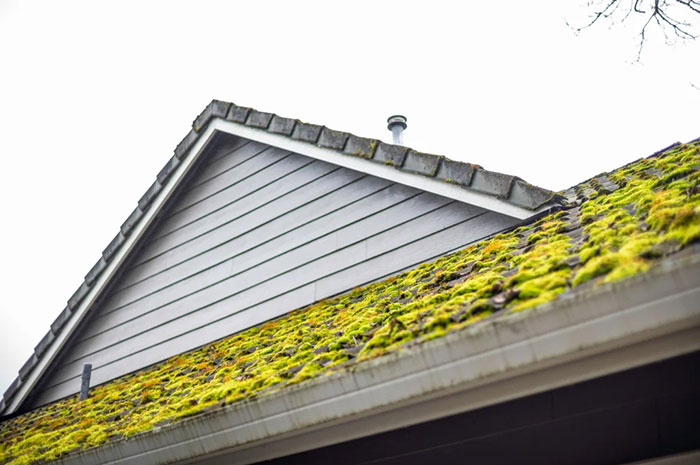
Why does moss appear on roofs? This is where many homeowners get it wrong. Moss isn't just green paint. Moss is an organism that retains water and adheres to surfaces. Here are some of the physical effects of moss accumulating over time on roofs:
1. Moss accelerates decay
A healthy roof dries quickly. When moss covers the surface, rainwater is retained longer. Ultimately, the protective surface layer wears out more quickly, and the material experiences aggressive wet-dry cycles, leading to microcracking.
2. Moss opens the way for fungi and other microorganisms
Moss often attracts its friends, such as fungi, algae, and other microbes. As a result, the surface becomes slippery, damp, and more quickly changes texture and becomes brittle.
3. Disrupts joints, gaps, and crucial details
The biggest problems often occur at vulnerable points, namely sheet joints, roof ridges, roof-to-wall junctions, and around gutters and flashings. When moss thickens in these areas, it can trap dirt and water, causing leaks.
4. Risk of indirect structural damage
You might think moss is only on the outside. However, if a small leak occurs and is left untreated, the roof frame can become damp, the wood is at risk of rotting, and certain bolts and components can corrode. So, moss often becomes the gateway to much more expensive problems.
The dangers of roof moss go beyond appearance. Therefore, the smartest step is not to wait for the roof to deteriorate. Start with a simple inspection, clean water lines, reduce damp areas, and take preventative measures to prevent moss from returning.